September 23, 2026
Spring tea has a short memory. First flush arrives only weeks after the bushes wake, and what reaches your cup is green, quick and a little unfinished: sweet, but grassy too, sometimes with a savoury edge that lifts the whole flavour upward. The urge to blend is strong now. You want a cup that smells like an April garden. But spring teas are light-bodied and they bruise easily under too much perfume. The blends here work with that delicacy — tea first, everything else in small amounts.
What spring picking actually gives you
Leaves picked after winter dormancy grow slowly. Cold nights push sugars and amino acids into new growth, and the result is a tea with more sweetness, less tannin and a bright, mineral finish. It is why first-flush Darjeeling tastes of muscat grape, why Japanese shincha smells of cut grass and sea air, and why a good Longjing ends on chestnut rather than astringency.
Three consequences for blending:
- Light body. Spring greens and whites cannot carry heavy spice, smoke or sticky dried fruit. They go quiet under it.
- Delicate aromatics. The top notes are the whole point. Added flowers should sit beside them, not on top.
- A short window. Green and white spring teas fade within months. Blend amounts you will actually drink this season.
Start with the base, not the flavour
Pick one tea and taste it alone first, in the pot you plan to use and with the water you actually drink. Then decide what it is missing.
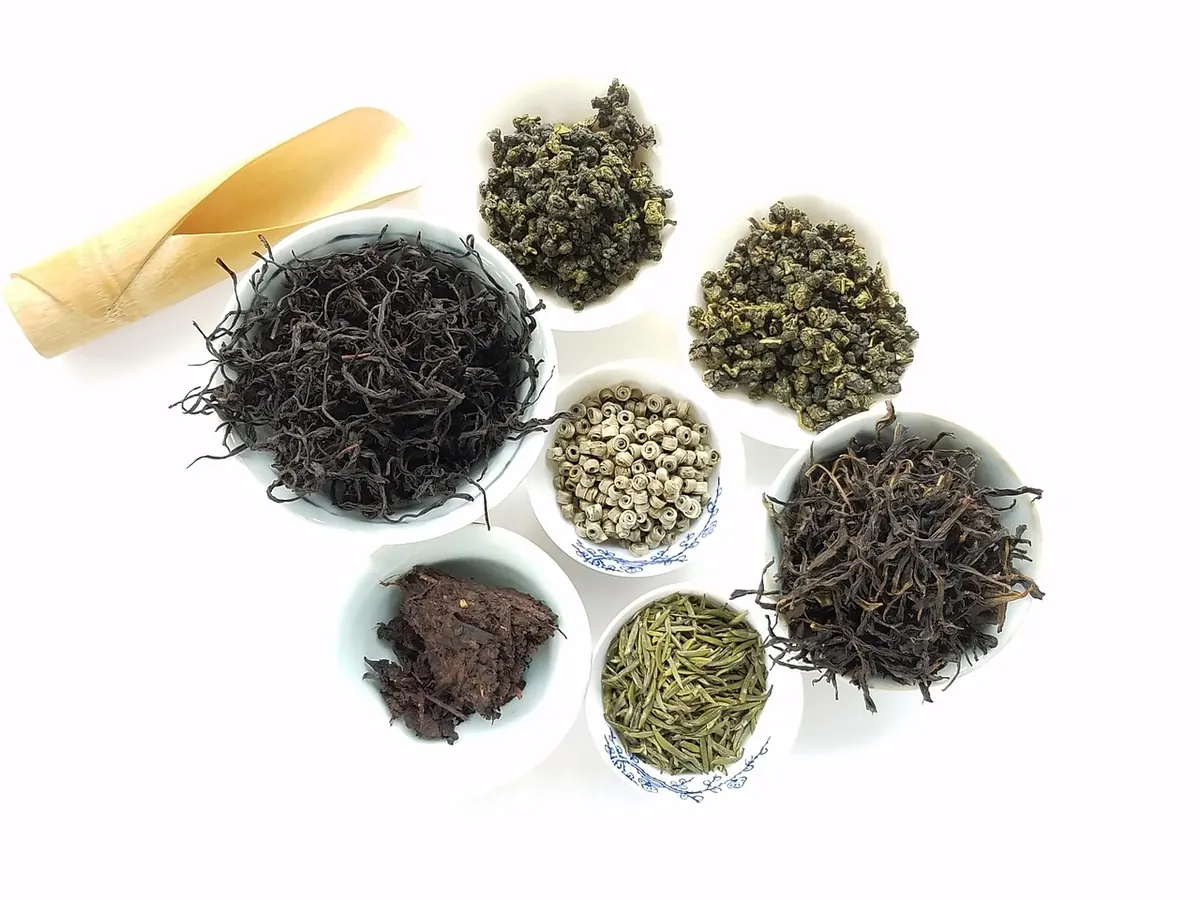
- Chinese pan-fired greens (Longjing, Anji bai cha): chestnut, toasted soy, a clean bitter edge. Osmanthus, jasmine, a little lemon peel.
- Japanese steamed greens (shincha, sencha): marine, grassy, umami-rich. Yuzu zest, lemon verbena, shiso, a single leaf of mint. Add these sparingly; umami and citrus can fight.
- First-flush Darjeeling and Nepali spring: muscatel, white flowers, a brisk astringency that gives the blend structure. Bergamot, rose, elderflower.
- Spring whites and light oolongs (Silver Needle, Bai Mudan, Baozhong): honeydew, hay, lilac, cream. Honeysuckle, violet, a whisper of gardenia.
Flowers: the lightest hand wins
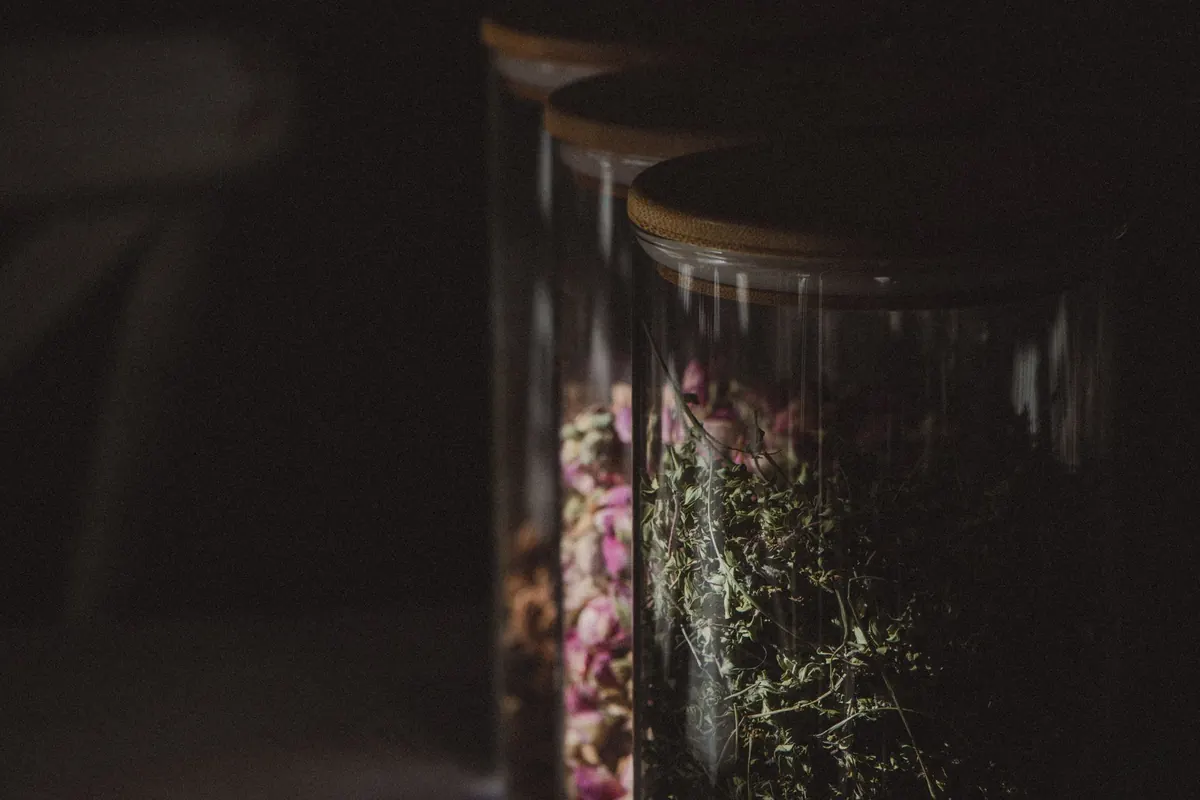
Dried flowers are the easiest way to ruin a spring blend, because they smell wonderful in the jar and thin the liquor in the cup. Aim for roughly four parts tea to one part flower by weight, and taste before going further; jasmine pearls or already-scented teas need none at all. Osmanthus and jasmine flatter greens. Rose and elderflower suit Darjeeling's muscatel. Honeysuckle and violet are gentle enough for white tea. Chamomile, however pretty, brings a hay-and-apple weight that flattens a delicate first flush — save it for autumn.
Citrus: zest, peel and leaf
Most dried citrus peel is bitter pith with a little oil left in it. Use it for structure in small amounts, or use a fresh strip of zest instead, dropped into the pot at brewing time so the oils stay bright. Bergamot is the exception: its dried peel is the classic partner for a brisk spring Darjeeling. Yuzu skin works well with steamed greens. A torn makrut lime leaf, added for the last thirty seconds of a steep, gives a green tea a lemony lift without any bitterness at all.
Herbs for freshness
Lemon verbena, lemon balm and lemongrass give citrus notes without the pith. Spearmint flatters green tea where peppermint overwhelms it; dried mint loses its top note quickly, so a fresh sprig at brewing is often better than a jar of last year's leaves. Fennel seed and rosemary bring a savoury, resinous thread that works surprisingly well with first-flush Darjeeling and with white tea. Keep herbs to about one part in six.
Building the blend: a working method
Work in small batches and write everything down. A blend that tastes thin on Monday may be perfect after a week of resting.
- Taste the base tea alone, then note the two or three flavours you are chasing.
- Start with four grams of tea in a small bowl. Add your flower first, then your citrus, then your herb.
- Steep a sample at your usual temperature and taste at one minute and again at three.
- Adjust in small increments — a pinch, not a spoonful — and re-taste. It is easier to add than to remove.
- Seal the finished blend in a tin and leave it a week so the aromas settle into each other.
- Label with the date and the ratio, because the blend you love in May will be impossible to repeat in June without notes.
A sensible starting ratio: four parts tea, one part flower, half a part dried citrus, one part soft herb.
Brewing the result
Treat a blended spring tea more gently than you would treat the base alone. Use water around 75–80°C for greens and whites, 85–90°C for Darjeeling and light oolong, and keep the first steep short — forty-five to ninety seconds. Soft water helps; heavily mineral water muddies floral notes. Most of these blends give two or three good infusions, and the second is often the sweetest.
Keeping a spring cupboard
Buy small quantities from a shop with fast turnover, store in sealed tins away from light and heat, and rebuy rather than hoard. Blend a fresh jar every few weeks through spring and early summer; by July the greens will have lost their edge while the flowers are still waiting. If you take medication, are pregnant, or plan to drink herbal blends daily in quantity, check with a qualified health professional first — pleasant does not always mean neutral.
Photo: olga Volkovitskaia / Pexels