October 01, 2026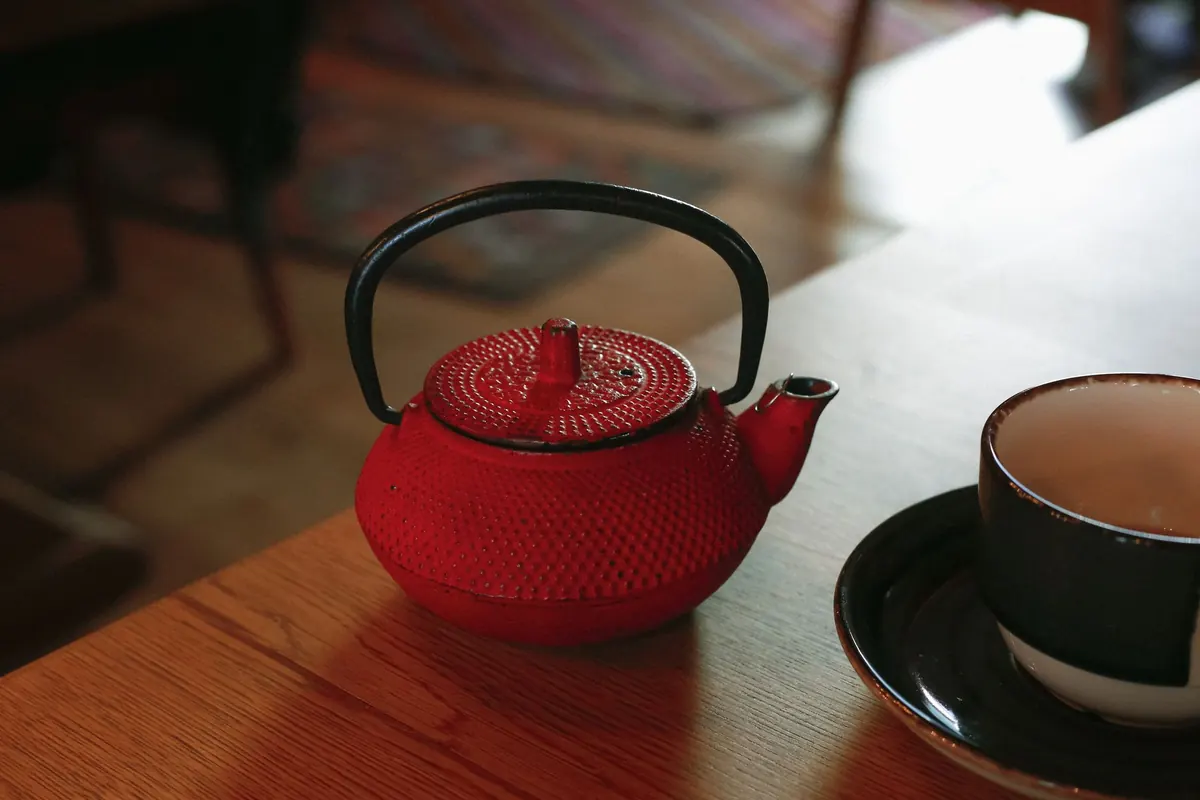
A cast iron teapot has a pleasant weight in the hand and a way of holding heat that no ceramic pot quite matches. It also has one weakness: water. Leave moisture sitting inside iron — even enameled iron — and eventually you will find a rust bloom along a seam, under the lid, or around the base of the spout. The good news is that caring for one takes about two minutes per session, and the habits are easy to learn. What follows is the routine used by people who have kept the same tetsubin on the shelf for a decade.
First, Know Which Kind of Teapot You Own
Two very different objects share the name "cast iron teapot." Traditional Japanese tetsubin are bare iron inside and out, and were made to hold water over a heat source. Most modern pots sold for brewing have a smooth enameled interior — glossy black, white, or mottled — and are designed to steep tea, not to boil water.
Look inside with a flashlight. If you see a flawless, glassy surface, you have an enameled pot. If you see the grain and texture of iron, you have a bare interior. The distinction decides almost everything that follows, so check before you scrub anything.
Then read whatever the maker printed. Some pots are stovetop-safe, some are not, and some are safe only on gas. An enameled pot taken to high heat can craze or blister its coating, and that damage cannot be undone at home. When in doubt, boil your water in a kettle and use the iron pot for steeping only.
The Daily Routine: Rinse, Dry, Done
Empty the pot the moment you have poured the last cup. Tea left standing — especially a delicate green or a fruit blend — leaves a film and a smell that the next brew inherits. That faint stale note in a second pot is usually the first pot's fault.
Rinse with hot water. Swirl, pour, repeat once. A soft sponge or a bamboo brush lifts stray leaf fragments from the bottom and around the infuser basket. Soap is unnecessary and, on bare iron, actively harmful: detergent strips the patina and leaves a taste that no amount of rinsing removes.
Things to skip
- The dishwasher, always. Heat, detergent, and long soaking are a bad combination for iron.
- Steel wool, scouring pads, and abrasive powders, which scratch enamel and gouge bare iron.
- Leaving wet leaves in the basket inside the pot overnight.
- Boiling the pot dry on the stove, which can crack enamel and warp the base.
- Sudden temperature changes — pouring cold water into a hot pot, or the reverse.
Drying Is the Whole Game
Most rust on cast iron teapots starts the same way: a pot rinsed, shaken, and put back on the shelf with a little water still pooling under the lid or in the spout. Rust needs water and time. Remove the water and you remove the problem.
Wipe the outside with a soft cloth. Dry the inside with a towel, then leave the pot, lid off, to air for an hour before storage. If your pot is bare iron and stovetop-safe, a minute or two over low heat drives out moisture from the seams far better than a towel can. Watch it the whole time; the goal is warmth and steam, not a dry boil.
The spout is the overlooked spot. Water hides in the curve, so blow through it or roll a corner of cloth into a twist and run it through. The lid deserves the same attention — its underside collects condensation on every pour.
Preventing Rust, and What to Do When You Find It
Light surface rust on a bare iron interior looks alarming and is usually harmless. Scrub it gently with a soft brush, then brew a strong batch of tea and let it sit in the pot for a while, or simmer used leaves in water inside the pot if it is stovetop-safe. The tannins in tea react with iron and darken into a protective layer. This is the traditional way a tetsubin develops its deep, near-black sheen, and it repels water in a way bare metal does not.
Do not reach for chemical rust removers or bleach. Neither belongs in a vessel you will drink from, and both can damage the finish permanently. If rust keeps returning in the same spot, the pot is likely being stored damp; change the storage, not the cleaning method.
Enamel tells a different story. A chip in an enameled interior cannot be repaired at home, and rust creeping under the coating is a sign the pot has reached the end of its brewing life. Small chips on the outside rim are mostly cosmetic, but keep them dry and do not pick at the edges.
Brewing Habits That Protect the Pot
- Preheat first. Fill the pot with hot water, let it sit a minute, then pour it out. Cast iron pulls heat from whatever it holds, and a cold pot gives you a lukewarm first steep.
- Let the kettle boil, not the pot. Unless the maker says otherwise, keep the iron pot off direct heat while tea is inside.
- Steep, then remove. Use the infuser basket and lift it out rather than leaving leaves to stew.
- Keep acidic brews out of bare iron. Citrus, hibiscus, and tart fruit blends pull iron into the tea, and the flavor turns metallic. Enameled interiors handle them without complaint.
- Consider one pot per flavor family. Iron holds on to aromas. A pot seasoned with smoky lapsang will whisper smoke into a delicate white tea, so keep a second pot if you drink across a wide range.
Water quality matters too. Very hard water leaves mineral scale that dulls the interior over time; filtered water keeps both the pot and the tea cleaner.
Storing and Handling Between Sessions
Keep the pot in a dry cabinet away from the sink, where steam drifts. Store it with the lid off or resting askew so air can move through. Do not seal it in a plastic bag, stack other pots inside it, or tuck a cloth inside to "absorb" moisture — that cloth is exactly what holds water against the iron. In humid climates, a quick low-heat warm-up before the pot goes back on the shelf is worth the minute.
Check it once a month. A rust bloom found early wipes away; one found after a season of damp storage can stain the interior for good. If you have concerns about how much iron cookware and drinkware contribute to your diet, that is a question for a doctor rather than a tea blog — people with certain iron-related conditions are often advised to be careful.
A Pot That Rewards Consistency
Cast iron asks for almost nothing: no soap, no soaking, no lingering moisture. Rinse it, dry it properly, and give it a few minutes of attention after each session. In return you get a pot that heats evenly, keeps a second and third pour genuinely hot, and slowly takes on the dark, soft sheen that only years of use can produce. Treat it like a piece of equipment rather than a decoration, and it will outlast most of what else is on your tea shelf.
Photo: betül nur akyürek / Pexels