September 16, 2026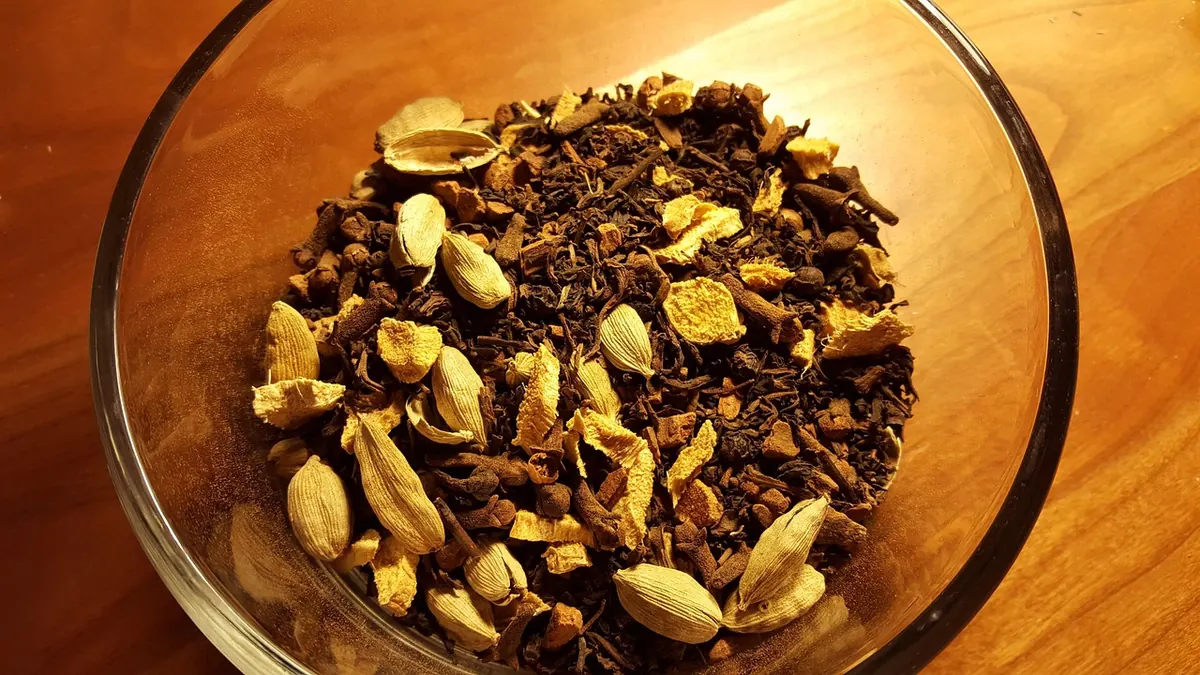
A jar of chai masala is one of the most personal things in a kitchen. Two households can keep the same five spices on the shelf and still pour cups that taste nothing alike: one bright and green with cardamom, another dark and bracing with pepper. Neither is wrong. A blend is a balance you tune rather than a formula you copy, and the tuning gets much easier once you understand what each spice is doing in the pot.
What Each Spice Is Doing
Think of the blend as a small band. Every spice has a register, and a cup tastes flat or harsh when one instrument drowns out the others. Cardamom carries the top notes, ginger and cinnamon fill the middle, and cloves and pepper sit underneath, pushing everything forward.
- Green cardamom is floral and faintly cooling, and it gives chai its perfume. Too much and the cup tastes like soap, which is why cardamom-forward blends need a little pepper to keep them grounded.
- Ginger brings warmth with a hint of sweetness and gives chai its body. Dried ginger blends and stores easily; fresh ginger is brighter and more assertive, and belongs in the pot rather than the jar.
- Cinnamon rounds off rough edges. Cassia, the thick reddish bark sold in most shops, is the usual choice for chai: sweeter and more assertive. Ceylon cinnamon is more delicate and suits blends where cardamom leads.
- Cloves are the loudest spice in the jar. Two or three whole cloves per pot is usually plenty. They add a dark, faintly medicinal depth that makes chai taste finished rather than merely sweet.
- Black pepper is the one people forget. It does not read as spicy so much as a clean bite at the back of the throat, and it keeps a milky, sweetened cup from turning heavy.
Toast Before You Grind
Whole spices hold their oils in tight pockets. A few minutes in a dry pan opens those pockets, which is why toasted cardamom smells so much bigger than the pod you cracked a moment earlier. Skip this step and the blend tastes dusty no matter how good the spices were.
- Warm a heavy skillet over medium-low heat. No oil, no water.
- Add the hardest spices first: cinnamon or cassia chips, cardamom pods, cloves, peppercorns. Ginger goes in about a minute later, since it browns quickly.
- Toast for two to four minutes, shaking the pan often so nothing sits still.
- Pull the pan off the heat as soon as the aromas turn rich and toasty. If you see smoke, or the spices darken to deep brown, you have gone past toasted and into bitter.
- Spread everything on a plate to cool completely. Grinding warm spices makes them clump and steam.
A Baseline Ratio to Start From
This mix leans cardamom-forward with a solid peppery finish. Adjust it after your first pot, not before.
- 3 tablespoons green cardamom pods
- 2 tablespoons dried ginger
- 2 cinnamon sticks, broken, or 2 tablespoons cassia chips
- 1 tablespoon whole cloves
- 1 tablespoon black peppercorns
- Optional: 1 tablespoon fennel seed, 1 star anise, or a small piece of nutmeg
It makes a generous half cup of ground blend, enough for weeks of daily chai. If you add fennel or star anise, pull the cardamom back slightly so the floral notes do not compete.
Grinding and Storing
A spice grinder, or a coffee grinder kept only for spices, will do this in seconds. A mortar and pestle takes longer but gives you more control and a slightly coarser, more aromatic texture. Work in small batches so the blades move freely, and pulse rather than running continuously. You want a fine powder with a few flecks of cardamom husk, not a paste.
Store the blend in a small airtight jar away from light and heat, and write the date on the lid. Ground blends fade: six months is a reasonable shelf life at room temperature, and the last spoonful will always be weaker than the first. Whole spices keep their punch for a year or more, so if you drink chai slowly, keep the spices whole and grind a small batch every few weeks.
Brewing With Your Blend
How much you spoon into the pot matters as much as the blend itself. For two cups, bring a cup and a half of water to a boil with one to one and a half teaspoons of the blend. Simmer for three to four minutes, until the water tastes strongly of spice. That is your signal. Add two teaspoons of loose Assam, or two tea bags, and steep another two to three minutes. Pour in three quarters of a cup of whole milk, bring it back to a gentle simmer, and cook three minutes more, watching so it does not climb the pan. Sweeten off the heat, strain, and drink it hot.
If you want fresh ginger in a particular pot, grate about a teaspoon into the water at the start and skip the dried ginger that day.
Spice the water, not the milk. Water draws out the spice oils; milk muffles them.
Tuning the Blend to Your Taste
After the first pot you are not tasting a recipe, you are tasting a direction. If the cup feels thin and perfumed, add pepper. If it feels sharp but dull at the front, add cardamom. If it tastes like dessert, reduce the cinnamon and let cloves and pepper carry more weight. If opening the jar makes you cough, cut the cloves.
Fennel seed and star anise soften a blend, which some drinkers love and others find cloying. A tiny grate of nutmeg adds a warm, almost creamy note. Black cardamom, if you can find it, is smoky and medicinal, and one pod is the most any pot needs. One practical note on cinnamon: cassia contains more coumarin than Ceylon cinnamon, and some health agencies suggest limiting very large daily amounts. If you drink several cups a day and have concerns, ask a doctor or dietitian rather than taking advice from a recipe.
Keep It Small and Keep Notes
Make a quarter or half cup at a time, taste it in milk rather than on your finger, and change only one spice between batches so you know what caused the difference. Write the ratio and the date on the jar. Within a few rounds you will have a house blend that no shop can match, because it was built for the way you actually drink chai: how much milk, how much sugar, how long you let it simmer. That is the whole point of making it yourself.
Photo: susancycles / Pixabay