September 18, 2026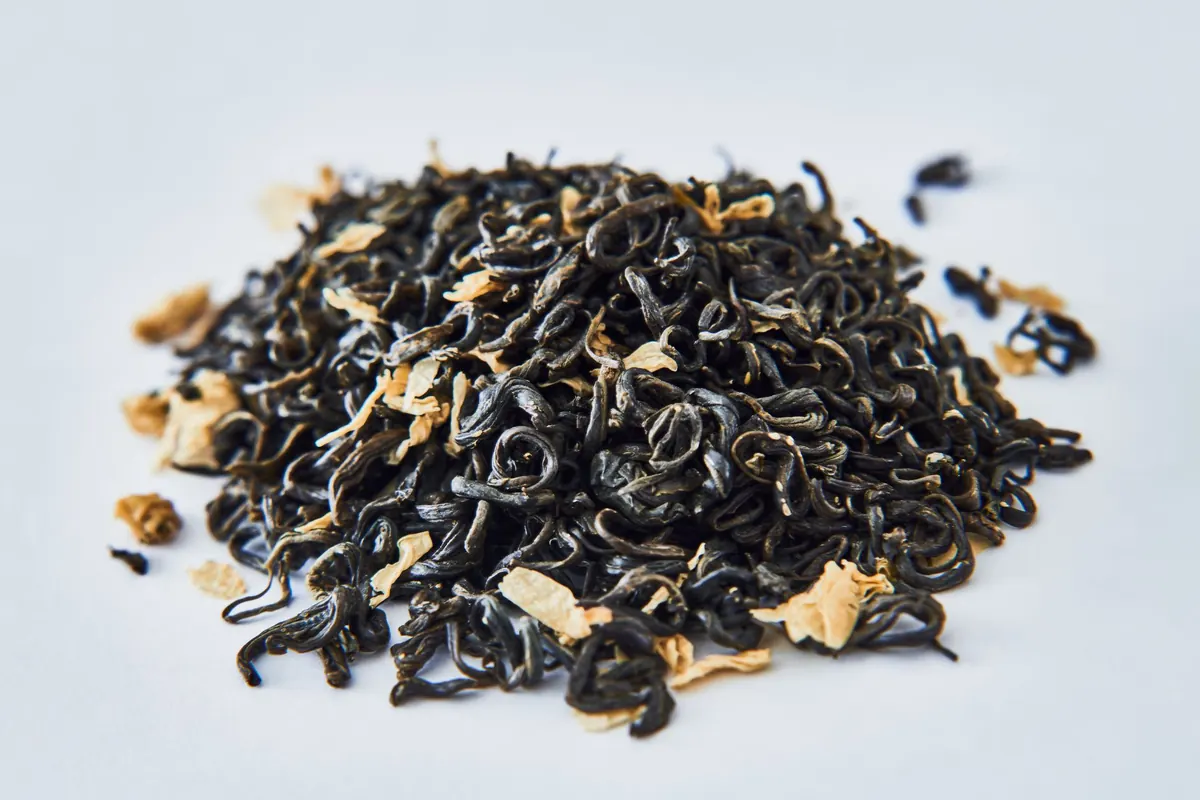
Two cups of tea sit side by side. One came from a supermarket bag, the other from a spoonful of loose leaves. Same plant, same hot water, and yet they taste like distant cousins. The gap isn't about snobbery or price. It comes down to leaf size, how much room the tea has to open up, and how quickly the water pulls flavor out of it. Understand those three things and the choice between loose leaf and bags becomes simple — and you'll brew a better cup either way.
Leaf Size and Grade: The First Difference
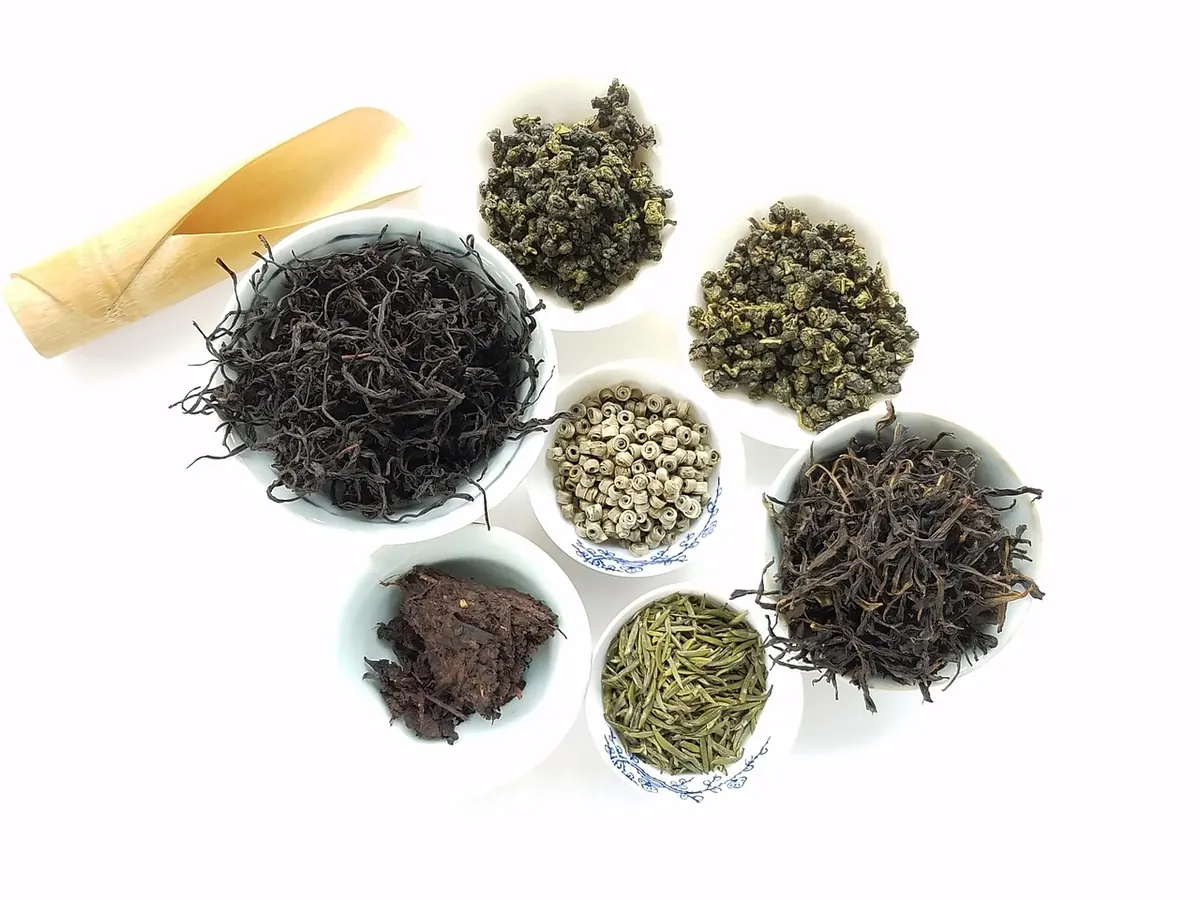
After tea is picked and processed, leaves get sorted by size. The broad categories are whole leaf, broken leaf, fannings, and dust. Most grocery store bags hold fannings or dust — the small fragments left behind after the larger leaves are graded out. They aren't fake or harmful, but they're tiny, and tiny pieces behave very differently in hot water.
Size controls speed. A whole leaf has few cut edges, so water has to work its way in gradually. A fragment has edges everywhere, so flavor compounds pour out almost immediately. That's why a bag can turn sharp and drying in under two minutes while a whole-leaf oolong keeps unfolding, steep after steep, giving something new each time.
Not every bag is a fannings bag, either. Some companies pack whole or broken leaves into mesh pyramids or large sachets, and those can perform close to loose leaf. The format matters less than what's inside it.
Steeping Space: Why Room to Move Matters
Dry tea isn't the finished shape. Whole leaves need to unfurl, and some open to several times their dry size. Give them a wide teapot or a roomy infuser basket and they'll spread out, releasing flavor in layers. Cram them into a narrow, sealed pouch and they stay compressed, so the water mostly washes over the outside. You get a flatter, more one-dimensional cup.
This is also why squeezing a tea bag is a bad habit. Pressing the bag forces out concentrated, bitter compounds that would otherwise stay locked in the leaf. Lift the bag out and let it drip instead.
Bag material and shape matter too
Paper bags tend to mute aroma, and since much of what we call "taste" is actually smell, that's a real loss. Mesh and biodegradable pyramid bags let more of the aromatic oils through and give leaves slightly more room. If you're buying bags, look for those, and check that the bag isn't scented or stored next to strong-smelling goods.
Where Tea Bags Win
It would be dishonest to pretend bags have nothing going for them. They're consistent, tidy, and nearly impossible to ruin if you pay attention to time. There's no measuring, no loose leaves in the sink, no gear to rinse. For plenty of situations, that's exactly what you want:
- Early mornings when you want tea with minimal thought or cleanup
- Offices and travel, where a kettle and a mug are all you have
- Serving a group where everyone wants a different type at once
- Fine herbal blends like chamomile or peppermint, where small particles are normal and steeping is forgiving
- Building a habit before you invest in equipment
Bags also keep portions predictable. If you liked yesterday's cup, tomorrow's will taste the same, which is genuinely useful when you're learning what you enjoy.
Flavor Outcomes: What to Expect in the Cup
A typical bagged black tea hits fast and firm: brisk, direct, a little drying, one clear note. It's satisfying with milk, and it flattens quickly as it cools. You rarely get a good second steep from it, because most of what it had is already in the first cup.
Loose leaf tends to taste rounder and more layered. You notice sweetness before bitterness, aroma before astringency, and a texture that lingers on the tongue. A whole-leaf oolong might taste floral on the first steep, nutty on the second, and honeyed on the third. A good green tea stays vegetal and clean rather than turning harsh.
But here's the honest part: brewing skill often matters more than leaf form. A delicate loose-leaf green dumped into boiling water and forgotten for six minutes will taste worse than a decent bag brewed carefully. Water quality counts too. If your tap water tastes strongly of chlorine, both styles will suffer.
Leaf size sets the ceiling on what a tea can taste like. Your brewing decides how close you get to it.
How to Brew Loose Leaf Without Fuss
Loose leaf has a reputation for being complicated. It isn't, once you have a routine. Here's a simple one to start with:
- Heat your water first. Green and white teas do best around 70–80°C, oolong and black closer to 90–95°C. Boil, then let the kettle sit for a minute or two if you're unsure.
- Measure about one teaspoon per cup, adjusting to your taste. Big, fluffy leaves need a little more; dense rolled leaves need less.
- Add leaves to an infuser, basket, or small teapot — something wide enough for the leaves to expand.
- Pour and start timing. Begin with two minutes for green tea and three for black, then adjust.
- Remove the leaves when the time is up. Leaving them in keeps extracting, and eventually you're drinking bitterness rather than flavor.
- Steep again. Many loose-leaf teas give two, three, or more good infusions from the same leaves, sometimes with a little extra time on each round.
Keep notes if you like — leaf amount, water temperature, minutes. Two or three brews will tell you more than any chart.
Choosing Wisely: A Short Practical Guide
You don't have to pick a side. Most tea drinkers end up with both, and that's a sensible place to land. Keep bags for rushed mornings, travel, and the office. Keep a couple of loose-leaf favorites for when you have five quiet minutes and want to taste what the tea is actually doing.
When you're ready to explore loose leaf, buy small amounts rather than a large tin of something unfamiliar. Try one type at a time so you can tell what changed. If you already have a bagged tea you love, look for the same style in loose-leaf form and brew them side by side — same mug, same water, same timing. That single comparison will teach you more about your own preferences than any description.
Store both kinds away from light, heat, moisture, and strong smells. A tin in a dark cupboard beats a decorative jar on a sunny windowsill, and tea picks up the aroma of whatever sits next to it — coffee, spices, soap.
One last note: both loose leaf and bagged tea contain caffeine, though the amount varies by type and how long you steep. If caffeine is something you need to watch for health reasons, check with a healthcare professional about what fits your situation.
Start where you are. Buy one bagged tea and one loose-leaf tea, brew them with a little attention, and let your own tongue make the call.
Photo: Suki Lee / Pexels