October 02, 2026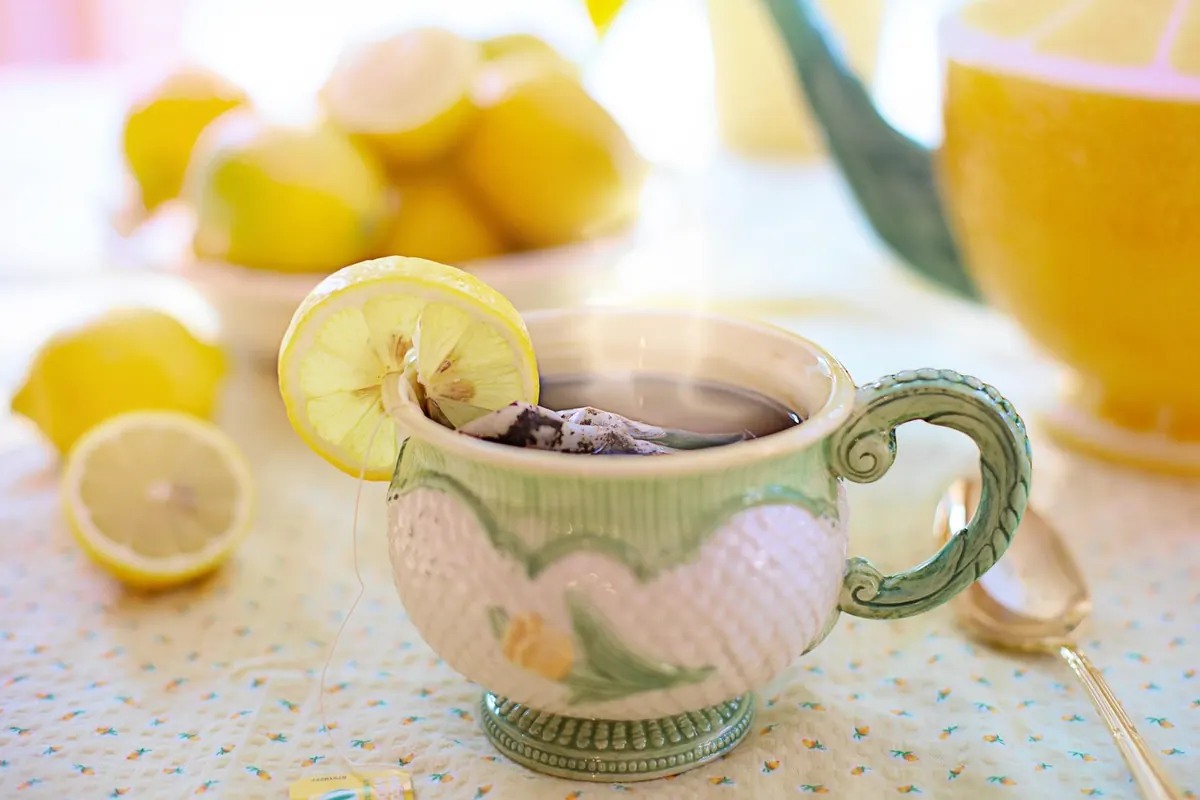
Two cups, one tea. A first-flush Darjeeling with a squeeze of lemon tastes like muscatel grapes and warm stone fruit. The same leaves with a splash of milk go flat and vaguely cardboardy. Neither cup is wrong, but they are different drinks, and the difference comes down to how each addition behaves alongside what's already in the leaf.
Black tea is fully oxidized, which is why it tastes brisk, malty and often tannic. Every add-in does one of a few jobs: fat softens, acid brightens, sugar rounds, aromatics layer on top. Knowing which job you want, and which your particular tea can survive, is most of the skill.
Start with the leaf, not the additions
Before you reach for the milk jug, taste the tea plain. A malty Assam built for a strong brew will happily carry milk. A delicate first-flush Darjeeling will not; the milk simply covers up the reasons you paid for it.
A useful rule: the bolder and more tannic the tea, the more company it can take. Ask yourself three questions. How bitter is it? How aromatic? How much body does it have? Bitter and thick, and you can add almost anything. Light and perfumed, and you should add almost nothing.
Milk: softer, rounder, sometimes muddier
Milk does two things at once. Its fat and protein coat the tongue, which mutes astringency and bitterness, and its own sweetness fills in the gaps around the tea's malt or cocoa notes. That's why a strong, slightly rough cup becomes smooth and almost dessert-like with a splash.
Where milk earns its place
Assam, Kenyan, strong Ceylon grades, Irish and English breakfast blends, and most masala chai recipes. Whole milk gives the creamiest result because fat carries flavor; skim milk can taste thin and a little chalky in comparison. If you drink plant milk, oat and soy behave closest to dairy in hot tea, while almond tends to taste watery or separate.
Two habits improve the cup. Warm the milk slightly rather than pouring it cold into a hot mug, and pour the tea over the milk rather than the other way around if you want an even mix without stirring. Most importantly, don't use milk to rescue an over-steeped cup. You'll end up with a glass of milk haunted by something bitter.
Where milk flattens the cup
First-flush Darjeeling, Nepalese teas, delicate high-grown Ceylon, lightly oxidized Chinese blacks, and smoky Lapsang Souchong all lose more than they gain. Earl Grey is a special case: bergamot and milk often clash, unless you're deliberately making a vanilla-sweet London Fog.
Lemon: lift, brightness, and one warning
Lemon works on the opposite principle. Instead of softening, it sharpens. A squeeze of fresh juice adds citrus aroma and makes bright, floral teas taste more like themselves. It's the classic partner for Darjeeling, Ceylon, Nilgiri and Earl Grey, and it's hard to beat in a glass of iced black tea.
The warning: don't put lemon and milk in the same cup. Acid curdles milk proteins, and you'll get flecks and a grainy texture. Pick one.
A few practical points. Squeeze a fresh wedge over a spoon to catch the seeds, then stir. Add it once the tea has cooled enough to sip, since very hot liquid drives off some of the citrus aroma. Bottled lemon juice tastes flat and faintly metallic, so use it only if fresh isn't available. And remember that acid makes astringency more noticeable: if your tea is already bitter from a long steep, lemon turns up the volume instead of smoothing it out.
Honey, sugar, and rounding off an edge
Sweeteners rarely add flavor so much as reduce the perception of bitterness, which is why a pinch can make a stubborn cup suddenly drinkable. The choice matters. Clover and orange blossom honey are gentle and let the tea speak; buckwheat or dark wildflower honey is assertive enough to become the dominant note. Sugar and rock sugar are neutral, jaggery and maple bring their own caramel edge.
Stir honey in when the tea is hot enough to dissolve it but cool enough to sip comfortably. Boiling-hot tea cooks off some of honey's delicate aroma, and honey that sits at the bottom of the mug is just a sticky surprise at the end.
Treat sweetener as a seasoning, not a default. Taste first. If a tea needs sugar to be pleasant, the likelier fix is a shorter steep, less leaf, or a different tea altogether. Iced tea and chai are the two places where a little sweetness genuinely helps, because cold and spice both mute flavor.
If you're watching your sugar intake for health reasons, it's worth talking to your doctor or a dietitian about what fits your situation.
Spices: layering instead of correcting
Spices don't balance a cup, they build a new one. Masala chai is the obvious example, and the method matters more than the recipe. Crush whole spices lightly, toast them in a dry pan for thirty to sixty seconds until fragrant, add water and bring to a boil, then add the tea and simmer for a minute or two before adding milk and simmering again.
Pairings that reliably work: cardamom with a clean Ceylon, cinnamon with a malty Assam, star anise with something smoky, fresh ginger with a strong breakfast blend, and a single cracked black pepper corn in chai for gentle heat. Vanilla is the quiet one, a few drops turning Earl Grey and milk into something soft and floral. Add spices in small amounts and taste as you go; clove in particular can steamroll everything else.
A short pairing guide
- Assam, Irish Breakfast, Kenyan: milk, a little sugar, cardamom if you like.
- Darjeeling first flush: plain, or a squeeze of lemon.
- Ceylon: lemon for lighter grades, milk for strong ones.
- Earl Grey: plain or with lemon; milk only alongside vanilla.
- Lapsang Souchong: plain, no exceptions worth making.
- Masala chai blends: milk, sugar and spices, simmered together.
- Iced black tea: lemon, honey, mint, or a slice of peach.
Taste plain first, then add one thing
The fastest way to learn your own preferences is to make a small experiment out of a normal cup.
- Brew properly: water just off the boil, three to five minutes for most black teas, then remove the leaves or bag.
- Sip it plain and decide what's missing. Too sharp? Too flat? Too thin? Nothing at all?
- Add one thing only, in a small amount, and taste again before adding more.
- Note the ratio you liked, even roughly, so you can repeat it tomorrow.
Do that a few times with the teas you keep in the cupboard and you'll stop guessing. Some cups will want milk, some will want lemon, and a good many will want nothing but attention.
Photo: JillWellington / Pixabay